Gardening Tips
Raised Bed vs In-Ground Gardening: Which Is Right for You?
Oct
If you’re starting a vegetable garden or a flower bed, one of the first decisions you’ll face is deceptively simple: should you build raised beds, or plant straight into the ground? Both methods grow great gardens, but they suit different yards, budgets, and gardening styles. Here’s a practical comparison to help you pick the right one for your situation.
How They Differ at a Glance
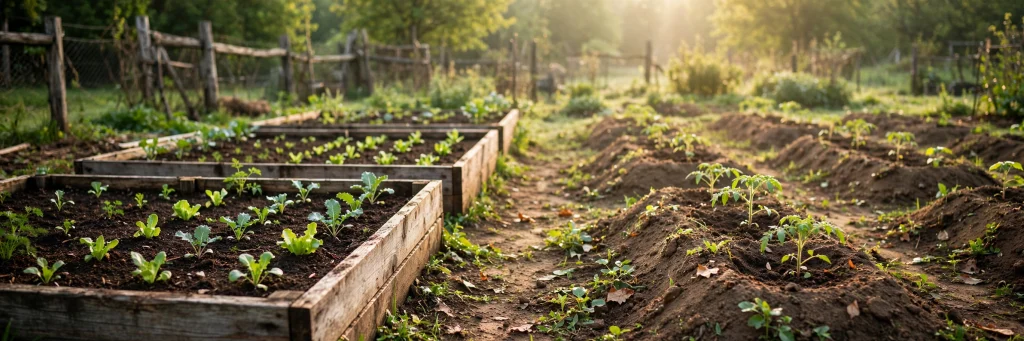
In-ground gardening means planting directly in your native soil. Raised beds mean filling a framed box (wood, metal, or composite) with a soil mix you choose, on top of the native ground.
Neither is universally better. The right choice depends on your soil, your space, and your budget.
The Case for Raised Beds
Better soil control
With a raised bed, you fill it with the exact mix you want — typically a blend of topsoil, compost, and something airy like coconut coir or perlite. If your yard has heavy clay, rocky fill, or poor drainage, a raised bed lets you skip the years of soil improvement and start growing in great soil on day one.
Warmer soil in spring
Raised beds sit above ground level, so the soil warms up earlier in spring and drains faster after rain. That head start matters in cooler climates: it can give you one to two extra weeks on either end of the growing season.
Easier on your body
At 10 to 12 inches tall (some go up to 24 inches), a raised bed brings the soil closer to you. Less bending, less kneeling, and easier reach for anyone with back or knee issues.
Tidy, defined growing space
Beds create clear zones. You can plan exactly what goes where, keep grass from creeping in, and reach the middle of a 4-foot-wide bed from either side without ever stepping on the soil — which keeps it from compacting.
The downsides
- Upfront cost and labor. Lumber or metal beds, plus all that soil mix, can run $50–$200+ per bed before you plant a single seed. Building them takes a weekend.
- Faster drying. Raised beds drain quickly, which is great after storms but means more frequent watering in summer heat. In hot climates, a soaker hose or drip line is almost essential.
- Wood rots eventually. Even cedar or redwood beds last roughly 8–12 years. Metal beds last longer but cost more up front.
The Case for In-Ground Gardening
Lowest cost to start
No frames, no truckloads of bagged soil. A bag of compost, a good digging fork, and your existing soil are enough to get going. For a large garden — say 200 square feet or more — in-ground planting is far cheaper per square foot than filling beds.
Room for deep roots
Nothing beats native soil depth for big-rooted crops. Tomatoes, squash, and sweet corn send roots down 2–3 feet, and in-ground beds let them do it without hitting a wooden bottom. Established perennials and fruit bushes also thrive with unlimited root space.
Holds moisture longer
Because in-ground soil is connected to the water table and doesn’t dry out as fast as an elevated bed, you’ll water less often in summer. That matters in hot, dry regions where every watering session costs time and money.
Easy to expand
Want to double your garden next year? Just mark out more lawn and start digging. With raised beds, every expansion means another frame and another soil purchase.
The downsides
- You’re stuck with your soil. Heavy clay, sand, or compacted fill takes seasons of amendment to become great growing soil. Soil tests and regular compost additions are non-negotiable.
- More bending and kneeling. Everything happens at ground level, which can be tough on backs and knees.
- Weeds and grass creep in. Without a defined edge, lawn grass and weeds migrate into your rows constantly. Edging helps, but it’s ongoing maintenance.
Which Should You Choose?
Choose raised beds if:
- Your native soil is clay, rocky, contaminated, or chronically soggy
- You have back or knee problems
- You want a tidy, defined garden in a smaller yard
- You’re renting or want a semi-portable setup
- You want to start with great soil this season, not next year
Choose in-ground if:
- You have decent soil or are willing to improve it over time
- You’re growing a large garden (150+ square feet)
- Your summers are hot and water is expensive
- You grow deep-rooted crops like corn, squash, or fruit bushes
- Budget is your top concern
Consider a hybrid. Plenty of gardeners run both: raised beds near the house for salad greens, herbs, and carrots (the crops that appreciate perfect soil and frequent picking), and an in-ground patch further out for tomatoes, squash, and corn. You get the best of both worlds.
Tips for Success Either Way
- Test your soil first. A $15 soil test tells you your pH and nutrient levels, so you’re amending with purpose instead of guessing. It pays for itself in one season.
- Mulch heavily. A 2–3 inch layer of straw, shredded leaves, or bark mulch suppresses weeds, holds moisture, and feeds the soil as it breaks down — in beds and in the ground alike.
- Don’t walk on growing soil. Whether it’s a bed or an in-ground row, compacted soil suffocates roots. Keep beds narrow enough to reach the center, and lay boards down in rows to spread your weight.
- Feed the soil, not just the plants. Both methods eat through organic matter over time. Top-dress with compost every season and your yields will keep climbing.
- Match the tool to the job. Raised beds reward hand tools — a hand fork, trowel, and cultivator cover most of the work. In-ground gardens need longer-handled tools: a digging fork or broadfork to loosen soil, a sturdy spade, and a good hoe for weed control.
The Bottom Line
There’s no wrong answer — only the one that fits your yard. If your soil fights you, raised beds buy you a fresh start today. If your soil is workable and your garden is big, in-ground planting saves money and scales easily. Either way, the fundamentals are the same: feed your soil, mulch, and water wisely.
Ready to dig in? Browse our digging and planting tools for sturdy spades, forks, and trowels built for either method, and check out our watering and irrigation gear to keep every bed perfectly watered.
